
Tendinosis is a condition involving the breakdown of collagen in the tendons, typically due to overuse and repetitive stress over time. Unlike acute injuries that occur suddenly, tendinosis develops gradually and can quietly disrupt daily life. Those who experience persistent joint or tendon discomfort may find that repetitive strain is a key contributing factor.
Learning how everyday motions can lead to long-term tendon changes is the first step toward finding relief and supporting long-term musculoskeletal health, along with a Billings chiropractor.
The Cumulative Effect of Repetitive Motion
Tendons connect muscles to bones and play a crucial role in movement and stability. When the same movement is performed repeatedly—whether during work, sports, or even household chores—the tendons can experience microtrauma. Over time, if there’s not enough recovery between these movements, the tendon tissue may begin to degenerate rather than repair.
Tendinosis differs from tendonitis in that it reflects a chronic, degenerative process instead of acute inflammation. Common areas affected include the elbows, shoulders, wrists, and knees. The condition often progresses slowly, with stiffness or discomfort appearing during or after activity, gradually interfering with performance and mobility.
Tendon Health Depends on Alignment and Mechanics
The body works best when it moves in balance. Poor posture, misaligned joints, and uneven movement patterns place unnecessary strain on the tendons, making them more vulnerable to long-term damage. When the spine or surrounding joints are out of alignment, the body tends to compensate. These compensations often increase repetitive stress on certain tendons, contributing to the development or worsening of tendinosis.
Addressing the root cause of this strain can be more effective than focusing only on the site of pain. Supporting healthy movement through proper alignment is a key strategy in preventing and managing chronic tendon issues.
How a Billings Chiropractor Supports Tendon Function
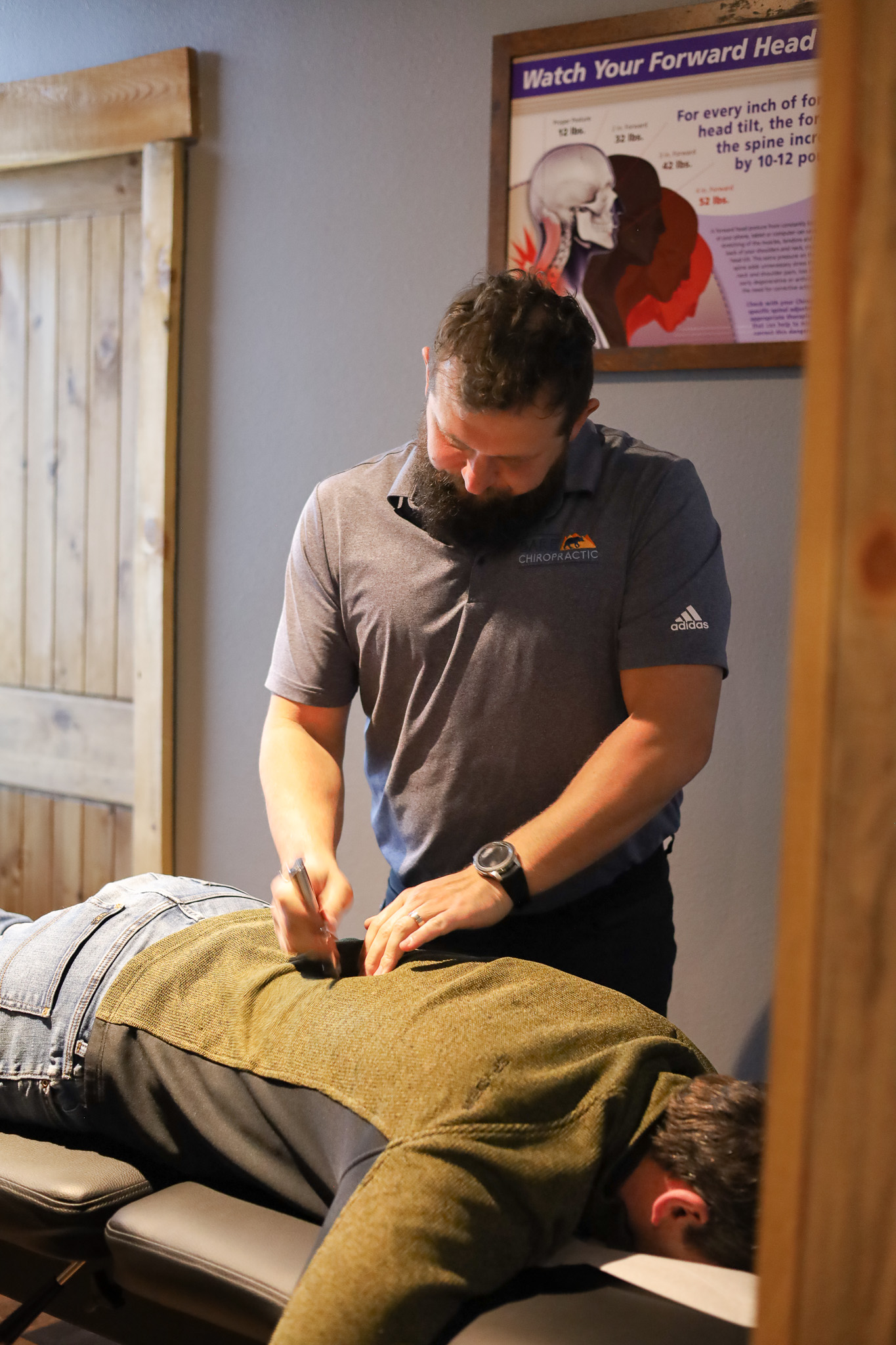
Dr. Thomas Keogh at Bare Chiropractic takes a structural approach to addressing the underlying issues that contribute to repetitive strain. As a trusted Billings chiropractor, Dr. Keogh evaluates spinal alignment and joint function to uncover how these factors may be affecting tendon health.
Through specific chiropractic adjustments, the goal is to reduce joint stress, encourage balanced movement, and improve the function of the nervous system. These improvements may help reduce the ongoing strain that leads to tendon breakdown. Many individuals find that consistent care not only helps manage current discomfort but also prevents future issues by keeping the body moving as it was designed to.
Taking a Proactive Approach to Tendinosis
Repetitive strain is part of many people’s routines, especially for those with active jobs or repetitive hobbies. Being proactive about tendon health involves more than rest—it requires supporting proper movement, identifying the cause of strain, and allowing the body to function in alignment. Chiropractic care is a valuable part of that process.
If you’re dealing with ongoing tendon discomfort or suspect that repetitive strain may be affecting your mobility, we’re here to help. At Bare Chiropractic, Dr. Thomas Keogh offers individualized chiropractic care to help you move with ease and confidence. Reach out today to explore how chiropractic adjustments can support long-term tendon and joint health!
Sources
Bass, E. “Tendinopathy: Why the Difference Between Tendinitis and Tendinosis Matters.” International Journal of Therapeutic Massage and Bodywork, 2012 Mar 31; 5 (1): 14–17. https://pmc.ncbi.nlm.nih.gov/articles/PMC3312643/
Pfefer, M.T., Cooper, S.R., Uhl, N.L. “Chiropractic management of tendinopathy: a literature synthesis.” Journal of Manipulative and Physiological Therapeutics, 2009 Jan; 32 (1): 41-52. https://pubmed.ncbi.nlm.nih.gov/19121463/