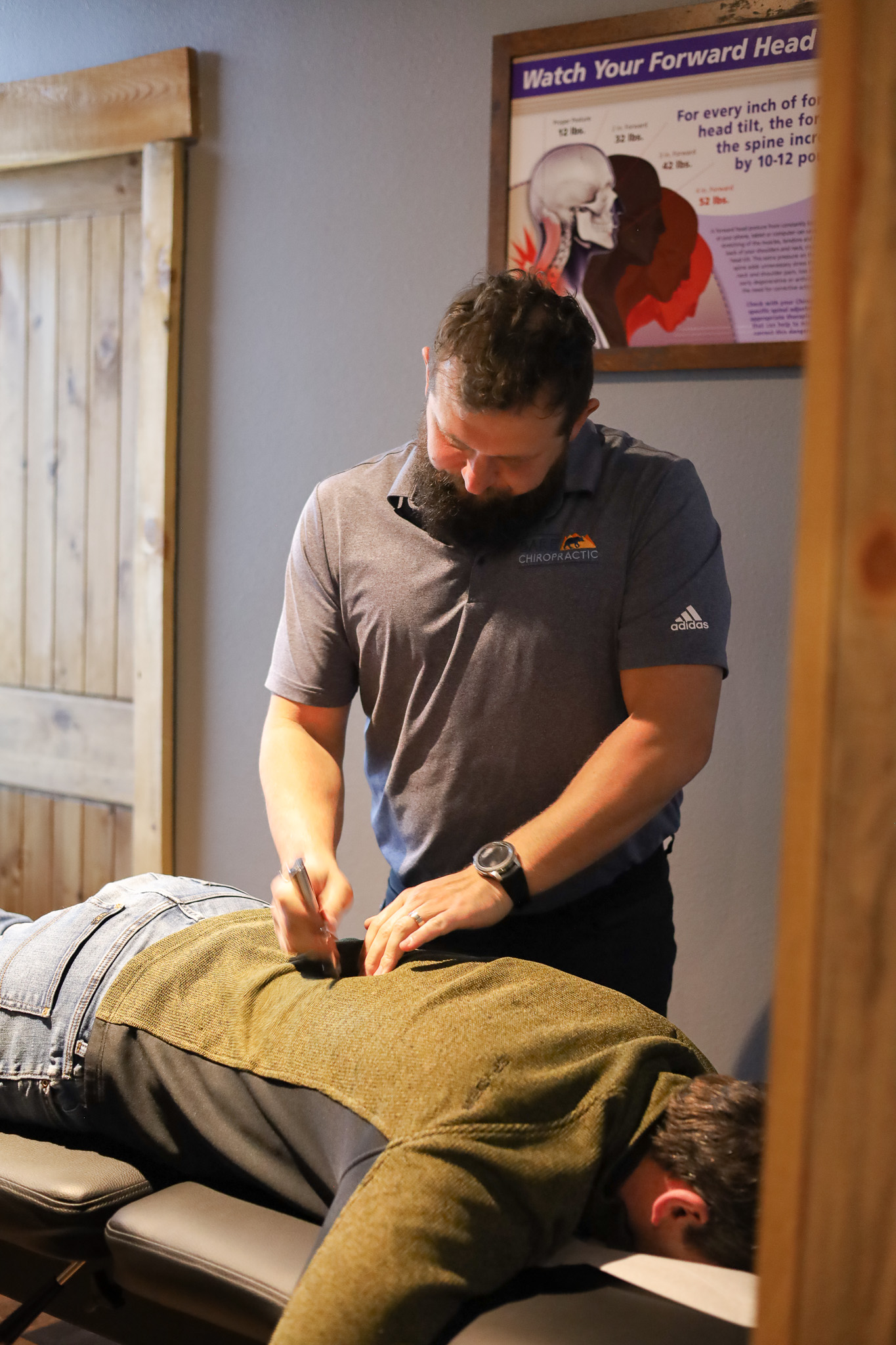

Your spine changes as you get older, and that’s normal. But when the changes are significant and detrimental, it can quickly become a problem. When spinal discs between your vertebrae gradually lose some of their moisture and flexibility over time, it’s known as disc degeneration. How you move, how much time you spend sitting, and the way you take care of your body can all play a big role in keeping your spine moving comfortably, and movement is an essential part of addressing disc degeneration.
Your Spine Likes to Move
Think about how many hours you spend in the same position during an average day. You may sit through your commute, spend most of your workday at a desk, and then settle onto the couch at night. Your back doesn’t need perfect posture all day, but it does appreciate a change of position every now and then. If you tend to lose track of time while working, set a reminder to stand up and move every hour. Take a lap around the office, refill your water, or simply stretch for a minute or two.
Give Your Spine Some Backup
Keeping your body strong can also help support your spine. The muscles around your abdomen, hips, and back all help support your spine through everything from carrying groceries to working in the yard. Keeping those muscles strong can make everyday movement easier and help your body handle the demands you place on it. The best routine is one you can realistically stick with. A couple of workouts followed by months of doing nothing won’t help nearly as much as making movement a regular part of your day and week.
Pay Attention to the Little Things
The way you move through your day can affect how your back feels. If you work at a desk, take a look at your setup. Are you constantly leaning toward your computer screen? Do you spend hours working from the couch with a laptop balanced on your knees? Changing positions regularly and adjusting your workspace can help you avoid spending too much time hunched over. The goal is to give your body a little more support throughout the day.
Know When to Keep Moving and When to Get Help
If you’ve been told you have disc degeneration, you might be tempted to avoid exercise or activities you enjoy because you’re worried about making things worse. Your Billings, Montana chiropractor can look at your symptoms alongside imaging results to get a better understanding of what’s going on. Finding ways to keep moving safely can help you maintain the strength and mobility you need so you can get older with ease.
Take Care of Your Spine with Chiropractic Care
You can’t prevent every age-related change in your body, and you don’t need to. But you can give your spine the support it needs to keep up with your life. At Bare Chiropractic, we look at how your spine and joints are moving and where stiffness or restrictions may be getting in the way. Billings chiropractic care can help address those areas and help you move more comfortably. Contact Bare Chiropractic in Billings, MT, to better support your spinal health.
Sources
Scarcia, L., Pileggi, M., Camili, A., Romi, A., Bartolo, A., Giubbolini, F., Valente, I., Garignano, G., D’Argento, F., Pedicelli, A., Alexandrew, A.M. “Degenerative Disc Disease of the Spine: From Anatomy to Pathophysiology and Radiological Appearance, with Morphological and Functional Considerations.” Journal of Personalized Medicine, 2022 Nov 1; 12 (11): 1810. https://pmc.ncbi.nlm.nih.gov/articles/PMC9698646/